
Case study · A global consumer-health company
A global consumer-health company · Incentive travel in San Andrés, Colombia: an incentive with a legacy
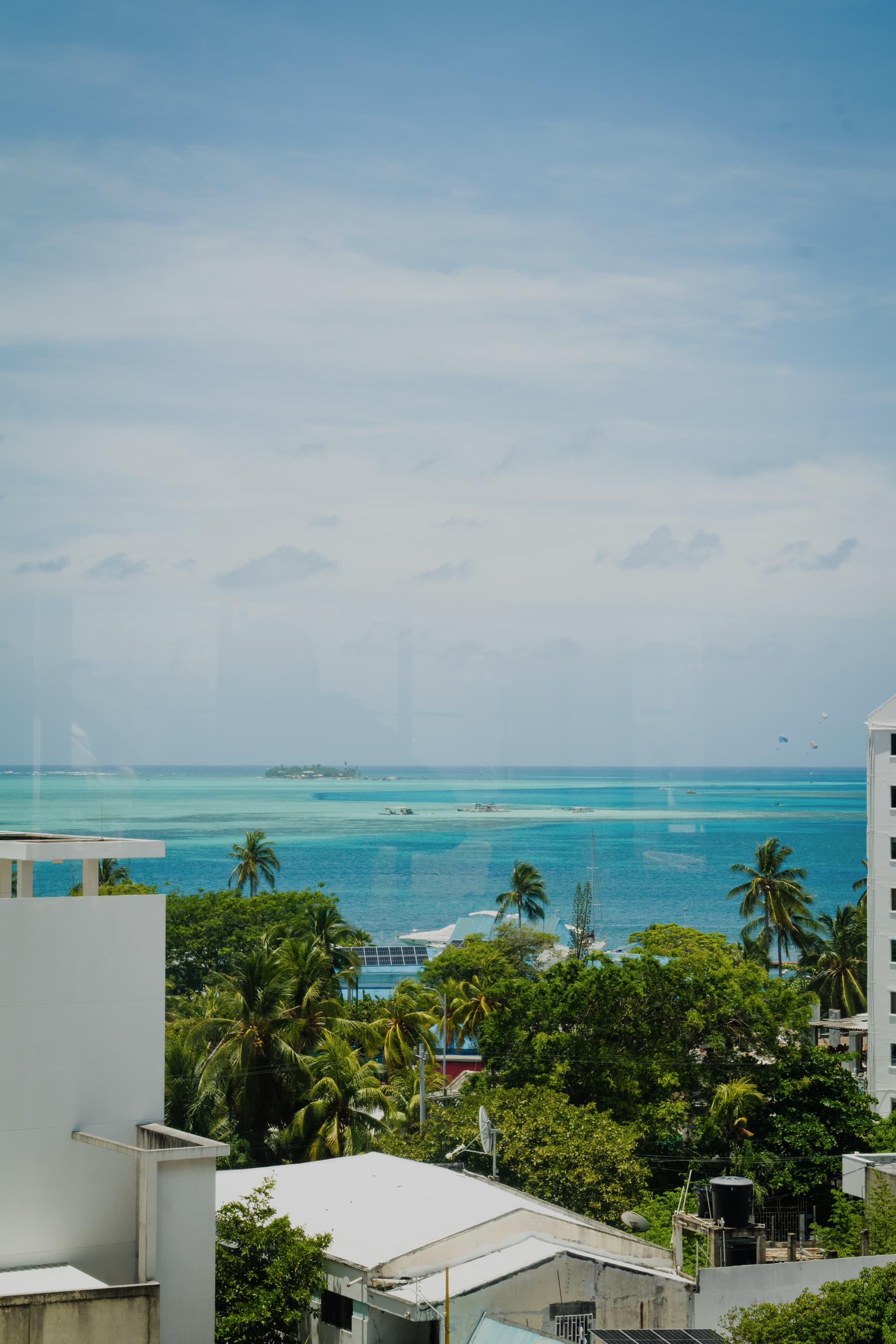
Muisca™ Travel & Events designed and produced an incentive for a global consumer-health company in San Andrés, for 28 top sellers from Brazil: four days on the Seaflower biosphere reserve, from the mangroves in silence to a workshop with one of the island’s guardians of memory and a closing night of calypso by the sea.
28 top sellers of a global consumer-health company, four days on a UNESCO biosphere reserve, and an island that gained from their visit.
One of 120+ programmes Muisca Travel & Events has designed and produced in Colombia.
| Client | A global consumer-health company |
|---|---|
| Program type | Incentive Travel |
| City | San Andrés |
| Dates | April 27–30, 2026 |
| Group size | 28 top performers |
| Duration | 4 days |
| Muisca role | Incentive Travel; Legacy & Community Integration |
The Brief
The brief
A global consumer-health company wanted to recognise and keep the best of its sales team in Brazil with an incentive that a resort week could not match: an experience that carried wellbeing, cultural immersion and human connection, strengthened the sense of belonging for the next sales cycle, and said something true about the company as a responsible employer. The brief asked for a destination that was authentic and hard to equal, and for a programme designed so that the place, its community and its natural heritage came out of it better than they went in.
The Creative Concept
The idea
Feel, live, enjoy, and leave a legacy. San Andrés is Colombia’s only island department, a UNESCO biosphere reserve with a people of its own, the raizal, a language of its own, creole, and four centuries of tradition tied to the sea. Muisca presented it not as sun and sand but as that: a living territory. The principle was to put raizal culture at the centre rather than at the edges, to keep the programme’s spend on the island, and to protect the reef and the mangroves the guests came to see, so that the recognition of 28 people became a contribution to the place that hosted them.
The experience
The programme
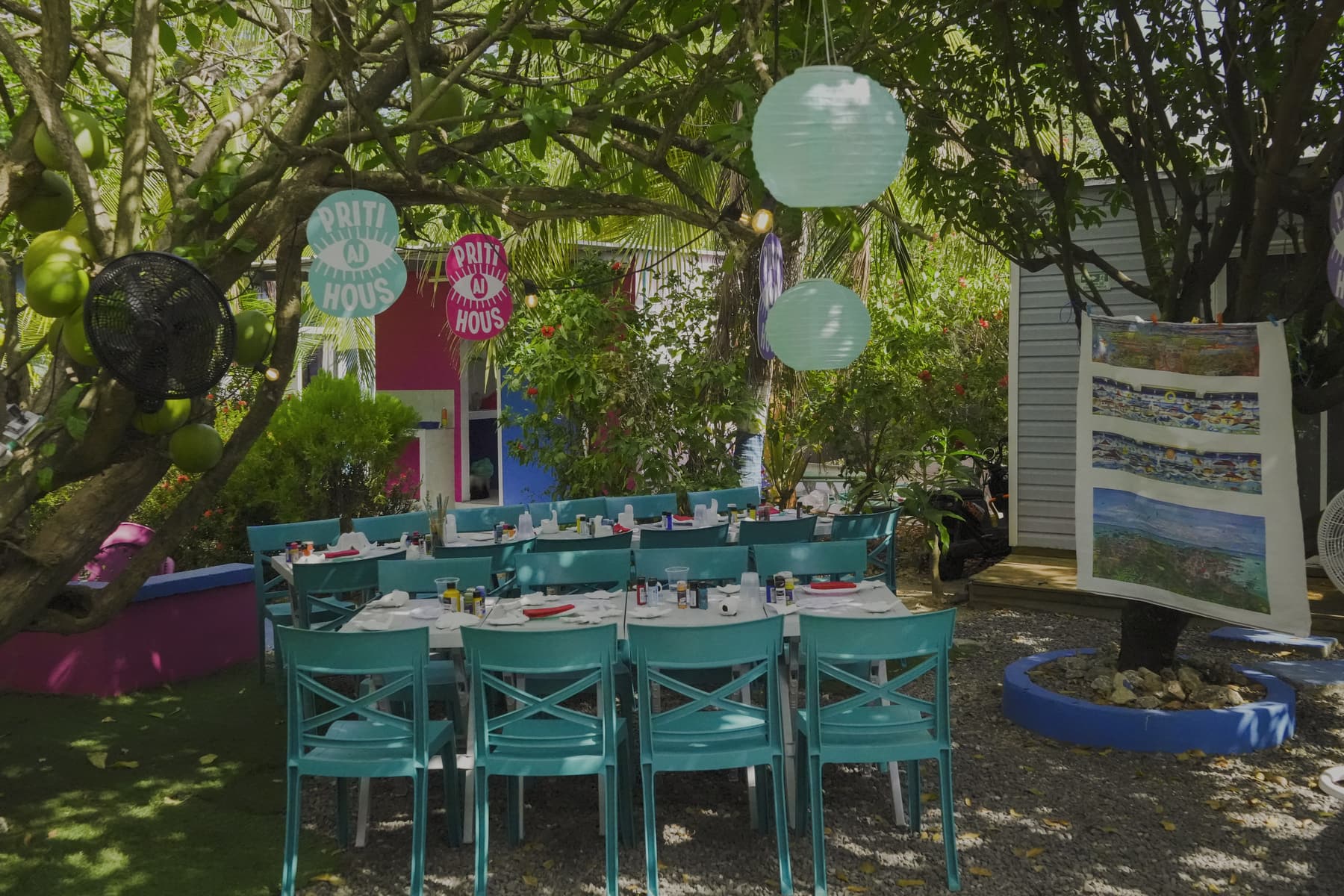
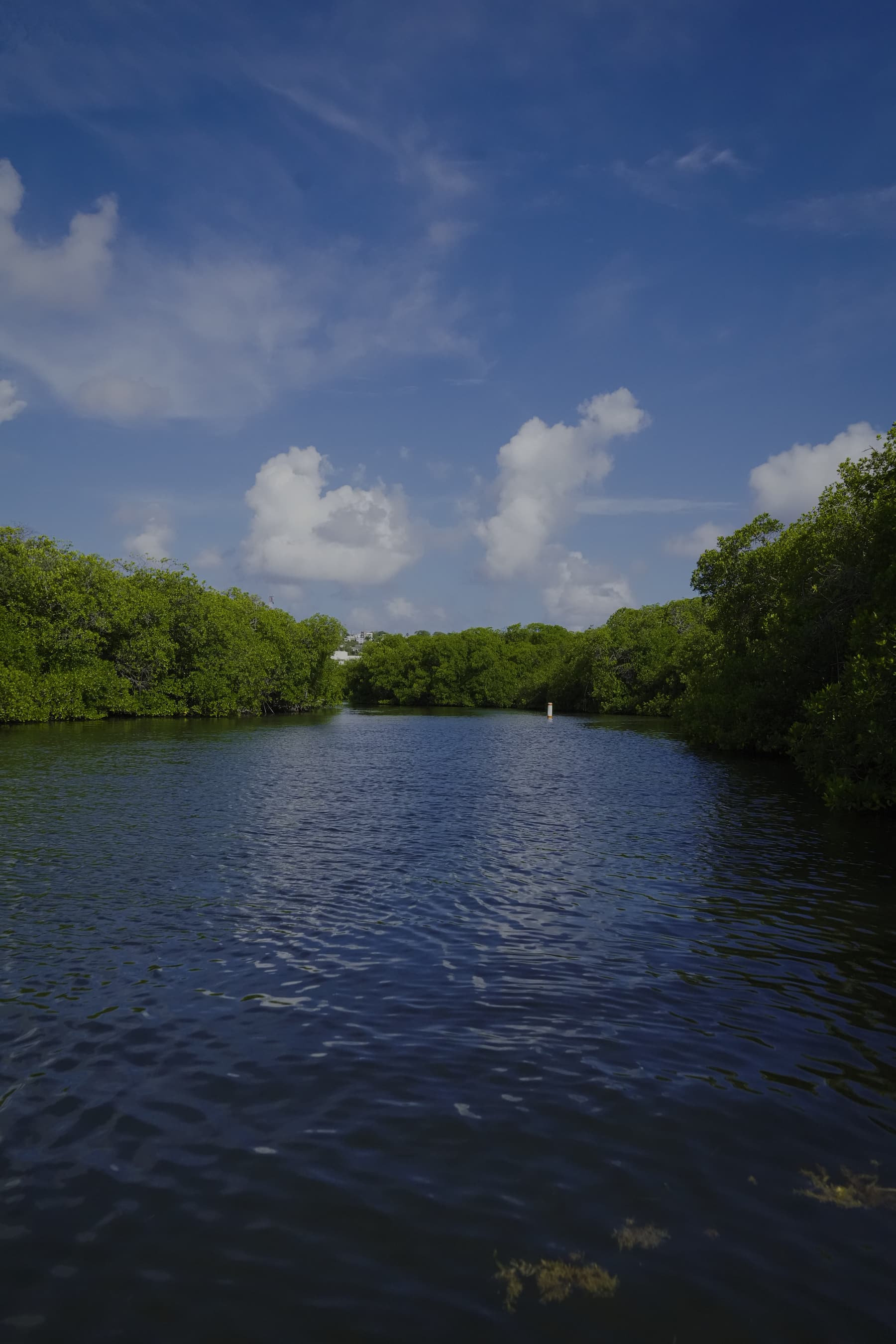
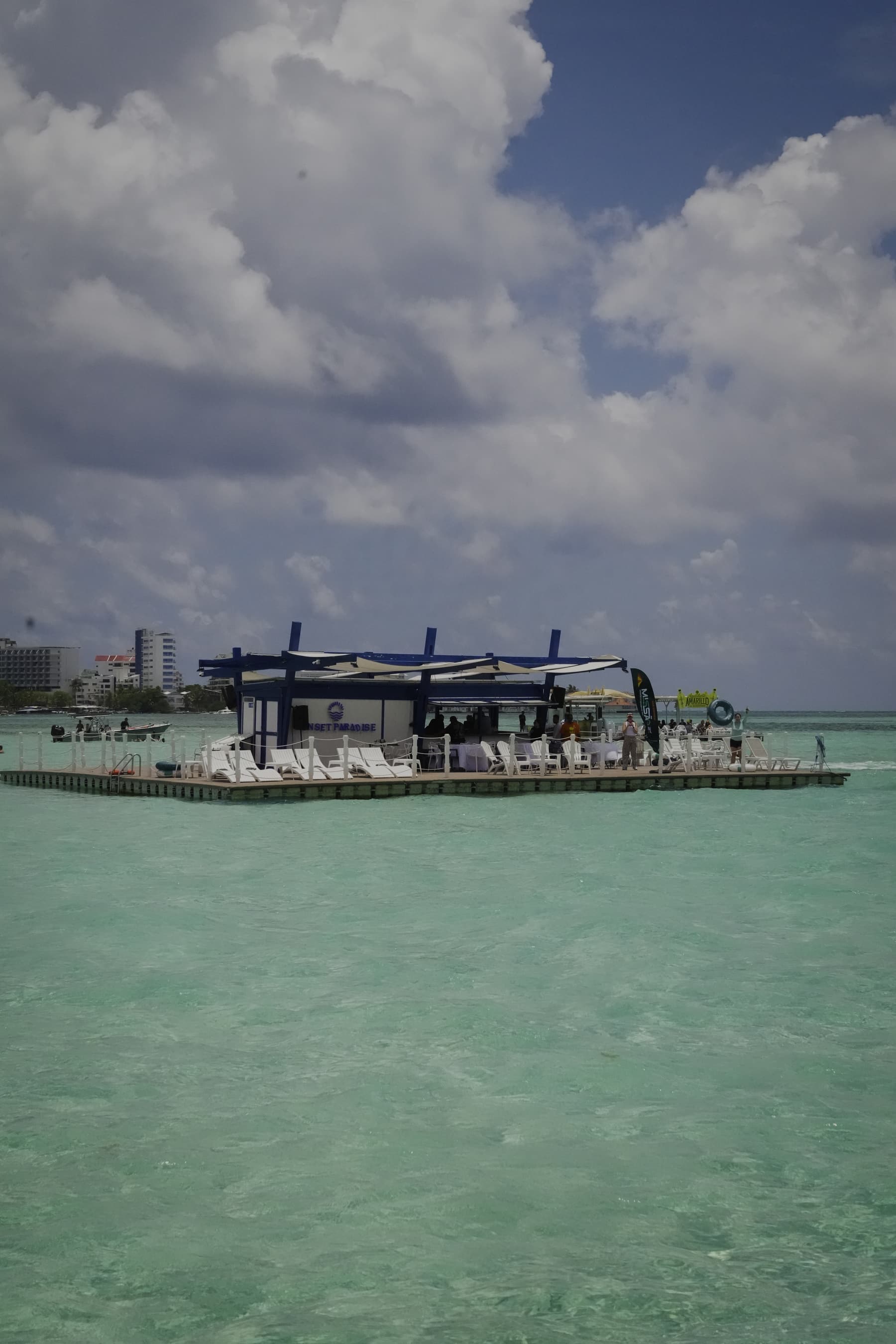
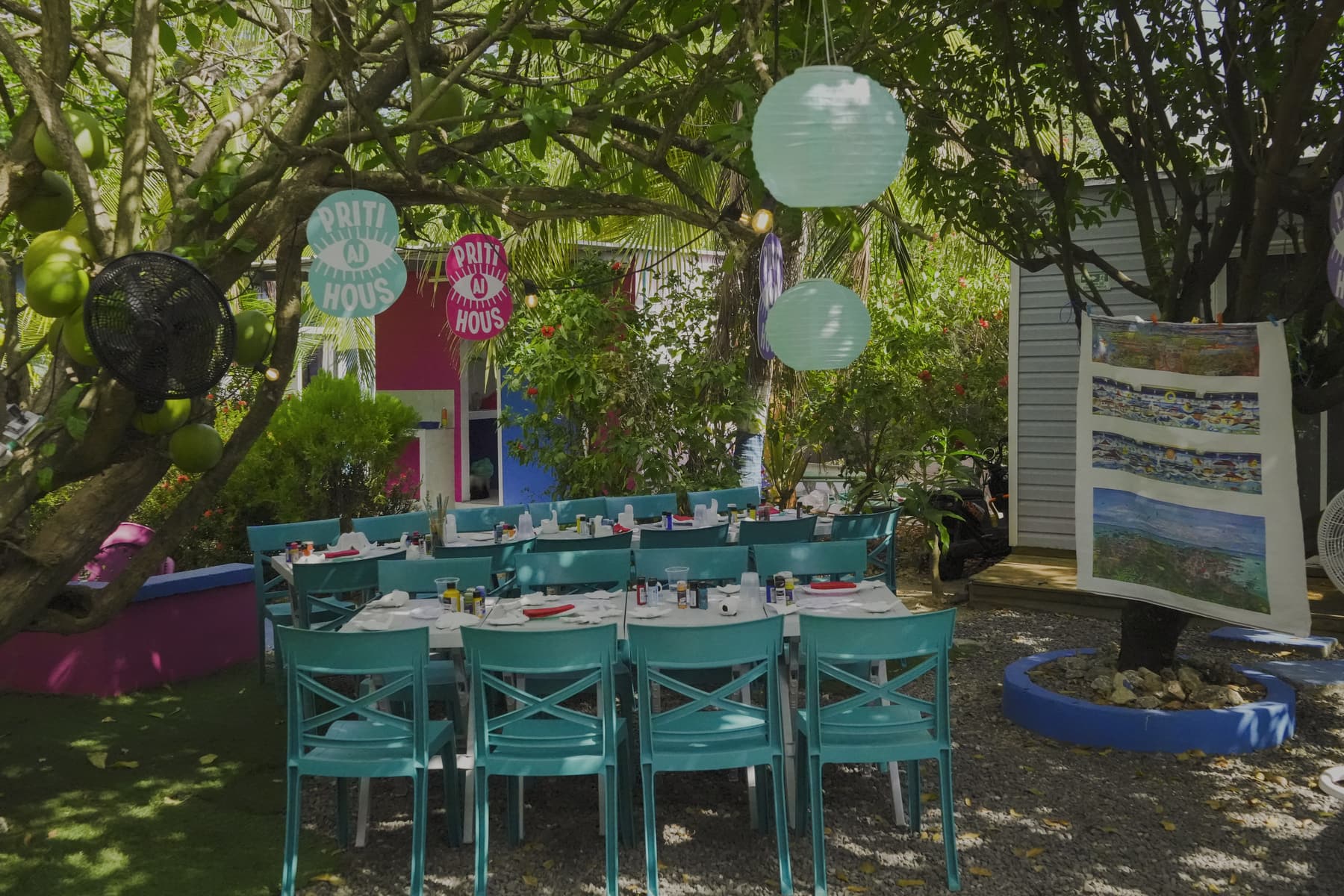
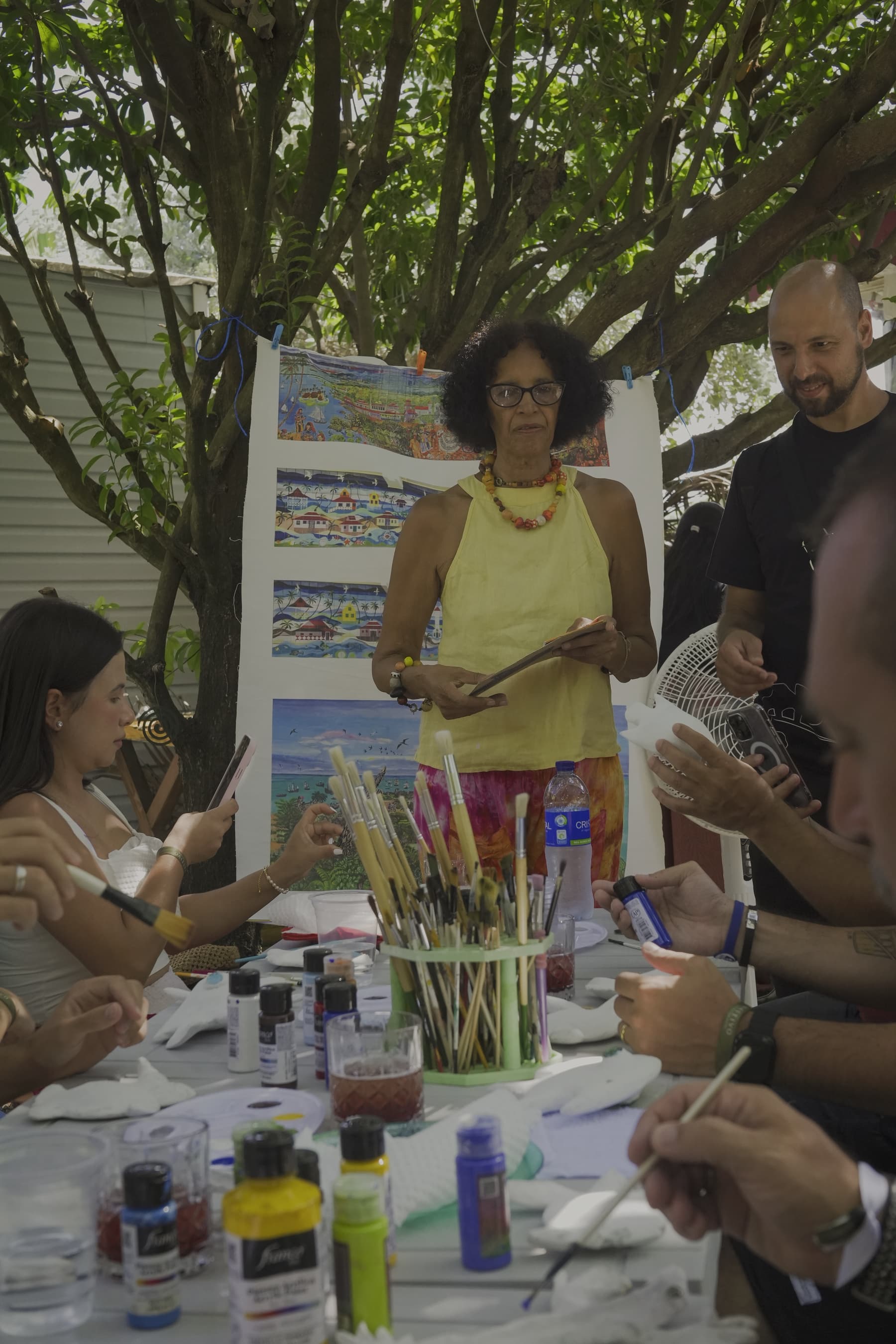
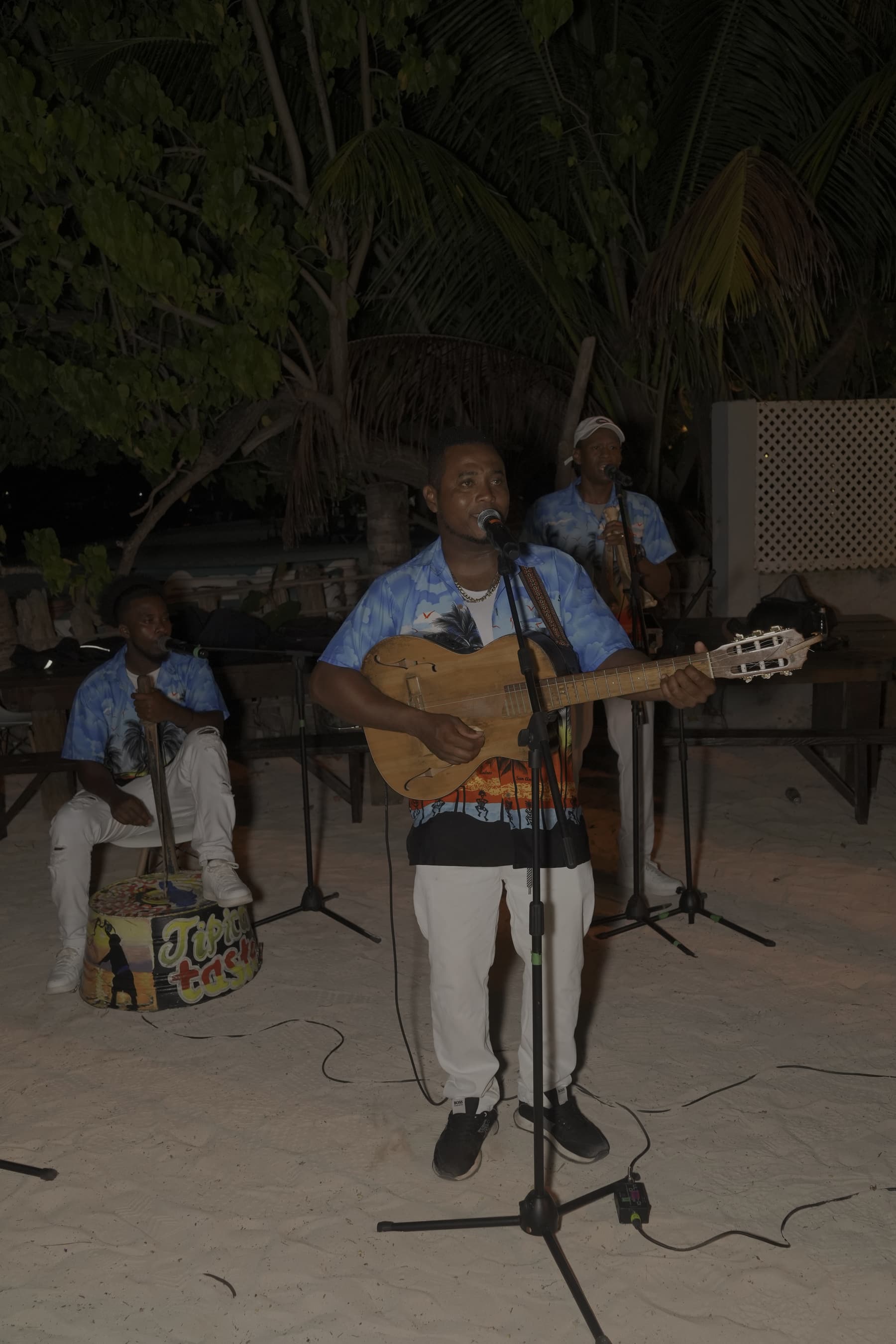
Four days on the only island department of Colombia, a biosphere reserve with a language of its own. The guest was met with water in glass and a kit of Colombian coffee, rum and island sweets; rode a painted chiva around the island; ate on a pier over the sea where the kitchen explains which fish are in season and why; sailed through the mangroves with the music switched off so the ecosystem could be heard; snorkelled the second-largest reef in the Caribbean without touching it; had a floating bar to themselves at sunset; spent a morning in a family-run house of raizal culture, making a piece from the island’s own recycled materials beside an artist who has spent forty years drawing its history; and closed by the sea to calypso, mento and the horse jawbone, rhythms Colombia declared national heritage that same year.
The Results
The proof
The client and the guests said what the programme set out to make true: that they had been recognised, that the team had come closer, and that they had seen an island most visitors never see. The objectives set for the incentive were met, and the programme left something behind: a network of island suppliers ready for the next group, visibility for raizal ventures in front of an international company, and 28 people who now know that behind the sea of seven colours there is a people, a language and a reef worth protecting.
The numbers behind the programme
- 28 top performers from Brazil, four days on a UNESCO biosphere reserve
- Eight experiences, every one started on time, no incidents
- Fifty suppliers paid, twenty of them islanders paid directly
- More than nine of every ten pesos of the production stayed in San Andrés and Colombia, half of it directly with islanders, hotels and restaurants
- Every cultural experience led by members of the raizal community, all paid in full
- 28 pieces made by the guests from the island’s recycled materials
- Four traditional rhythms on stage: calypso, mento, reggae and soca
- No single-use plastic, from the glass bottle at the airport to the last table
- Carbon footprint measured across air, road and sea, as the baseline for the next edition
The community layer
The programme was built to keep its value on the island. Fifty suppliers were paid, twenty of them individuals: guides, drivers, musicians, florists and support crews of San Andrés. More than nine of every ten pesos stayed in the archipelago and the country, and half of the spend went directly to islanders, hotels and restaurants. Every cultural experience was led by members of the raizal community and paid in full, from the family-run house of culture that opened for the group alone to the artist who has spent four decades recovering the island’s memory and the musicians who brought calypso, mento and the horse jawbone to the closing night. Lunch on the cultural day was left to each guest to spend where they chose, so that small restaurants and family businesses shared in it. Water came in glass, the welcome kit was island coffee, rum and sweets, and the programme’s carbon footprint was measured across flights, road and sea as the baseline for the next edition.
Capabilities
What this programme demonstrates
What a buyer can take from this case.
Keep building
Request a Proposal
Want a program with this level of craft?
Send the brief as it stands. Muisca answers with a first route, a budget frame and the questions a Colombia program has to settle early.
Frequently Asked Questions
Questions about this programme
Yes, when sustainability is where the money goes and who leads the day, not a slide. Here the guests simply lived it: island suppliers, raizal hosts, a reef approached with care, a workshop that turned recycled material into something they took home. Nobody was taught; everybody noticed.
Because the brief asked for a place that would be hard to equal and for a programme that left the destination better. San Andrés is a UNESCO biosphere reserve with its own people, language and music, three hours from Bogotá, and a group of 28 can have its floating bar, its house of culture and its stretch of reef to itself.
By choosing suppliers on the island first, paying individuals directly, choosing a hotel and restaurants that hire islanders and cook the island’s food, and leaving one lunch to each guest to spend wherever they liked. On this programme more than nine of every ten pesos stayed in San Andrés and Colombia.
This one had an inspection visit eight months before the first arrival and a second one the week before, with every supplier, route and timing confirmed on the island. Six to eight months is the comfortable window for an island programme of this kind.